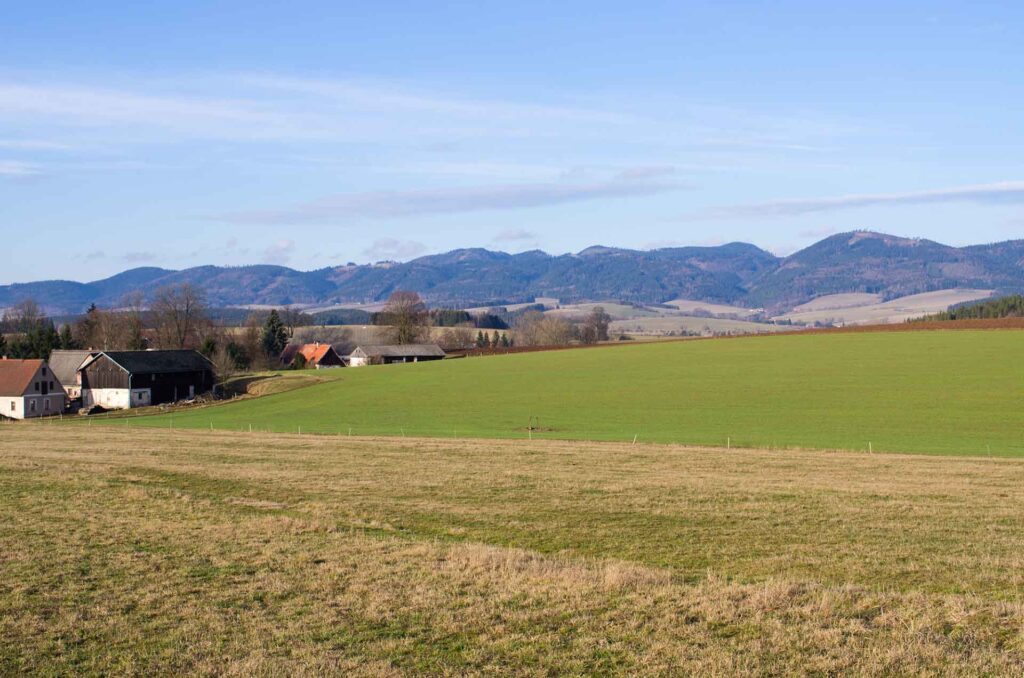
Finding a farm property in Northern Colorado is exciting. You’re looking for more land, more open sky, maybe livestock, maybe crops, and a lifestyle shift. As your Greeley real estate team, we at Krafting Home Team want to walk you through how to approach this the right way so you end up with a property you’ll be happy with for years.
1. Define Your Farm Goals
Start by getting clear on what you want from the property. Are you looking to raise animals, grow crops, or just enjoy wide-open space? Some buyers want a hobby farm. Others want to run a full-scale operation. Maybe you’re just looking for land to build a house with privacy and views. Whatever it is, your goals will guide what kind of land you need, how much acreage is appropriate, and which features matter most.
2. Choose the Right Location
In Northern Colorado, especially around Greeley, the landscape changes fast. The closer you are to town, the more access you’ll have to utilities, services, and paved roads. But those areas often come with higher prices and smaller parcels. If you move further out, you can get more land for less money, although you might deal with gravel roads, longer commutes, and fewer nearby amenities.
The key is to decide how remote you’re comfortable being and whether access to Greeley or other Front Range cities matters for your day-to-day life. We help clients look at available homes in Greeley and surrounding areas that strike the right balance.
3. Understand Water Rights and Irrigation
In Colorado, land without water is often just dirt. If you’re buying a property to farm or raise animals, make sure you understand the water rights. Not all properties come with them, and some may only allow limited use.
Ask if the water rights are included in the sale. Find out what kind they are—well water, surface water, irrigation ditch—and how reliable they’ve been. You’ll also want to understand how they’re managed, transferred, and recorded with the state.
4. Check the Soil, Terrain, and Infrastructure
Good land isn’t just about size. Walk the property and check the terrain. Look for usable flat areas, avoid flood zones, and make sure access roads are in good shape. Soil quality matters if you plan to grow anything. Some parts of Weld County have sandy or clay-heavy soils that need conditioning before crops will grow.
Also take a close look at the infrastructure. Are there outbuildings, fencing, working wells, barns, or irrigation systems already in place? If not, consider how much it will cost to build or install them later. These can add up fast.
5. Know the Zoning and Land Use Rules
Just because a property looks rural doesn’t mean you can do whatever you want with it. Zoning regulations vary across counties, and some land might have restrictions on the number of structures, animals, or business activities allowed.
Check the zoning designation and ask the county planning department what’s permitted. Also ask if the land has any conservation easements or environmental restrictions. These things can limit your plans or add extra requirements you didn’t expect.
6. Budget for More Than Just the Land
Acreage may seem affordable at first glance, but the costs don’t stop at the sale price. You’ll likely spend more on maintenance, property taxes, insurance, and improvements. Rural properties often need private wells, septic systems, road grading, fencing, and larger utility connections.
Add in fuel costs if you’re far from town, and possibly snow removal in winter. It’s important to budget realistically so the land doesn’t become a burden later.
7. Work with a Local Real Estate Agent
Farm and rural properties are different from typical homes. That’s why it helps to work with a Greeley real estate agent who knows the ins and outs of land sales, water rights, zoning, and rural infrastructure.
We’re familiar with available homes in Greeley, surrounding rural areas, and the nuances of Northern Colorado real estate. We help you find listings that fit, explain what’s in the paperwork, coordinate inspections, and make sure you know exactly what you’re buying.
8. Visit Multiple Properties and Take Your Time
Buying land isn’t like buying a house in a neighborhood. Each farm or parcel is unique, and small differences can have a big impact. Walk the land. Visit during different times of day. Pay attention to the road conditions, drainage, and nearby properties.
Ask questions like: Is there cell service? What kind of internet access is available? How noisy is it during harvest season? These are things people don’t always think about but come to matter once you’re living there.
9. Think About the Future
Even if you’re buying for yourself right now, think ahead. Could this property work for your family long-term? Will it hold value if you decide to sell? Could future growth or zoning changes affect your plans?
Some areas near Greeley are starting to see more residential development. That might be good if you’re thinking of resale, but not if you’re looking for privacy. We can help you evaluate long-term trends so you know what you’re stepping into.
10. Don’t Skip the Paperwork or Inspections
Always get a full survey of the property. Verify the boundaries and make sure there are no easements or encroachments. Ask for a title search to confirm ownership and any liens or use restrictions.
Also consider a soil test, water quality test (if there’s a well), and inspection of any existing structures. It’s better to find out what you’re dealing with now than get surprised later.
Trust an Expert to Find the Perfect Farm For You
Buying a farm property in Northern Colorado isn’t just about the dream. It’s about making smart decisions and asking the right questions. Whether you’re looking for a working farm, a rural retreat, or a long-term investment, the key is to be thorough, patient, and realistic about what you need and what each property offers.
If you’re ready to look at available homes in Greeley or rural land around Northern Colorado, we’re here to help. We’ll walk the land with you, talk through water rights, zoning, and everything in between. With the right plan and the right team, you’ll find a property that works—not just on paper, but in real life.